Facelift: Fast recovery and subtle results in Dubai
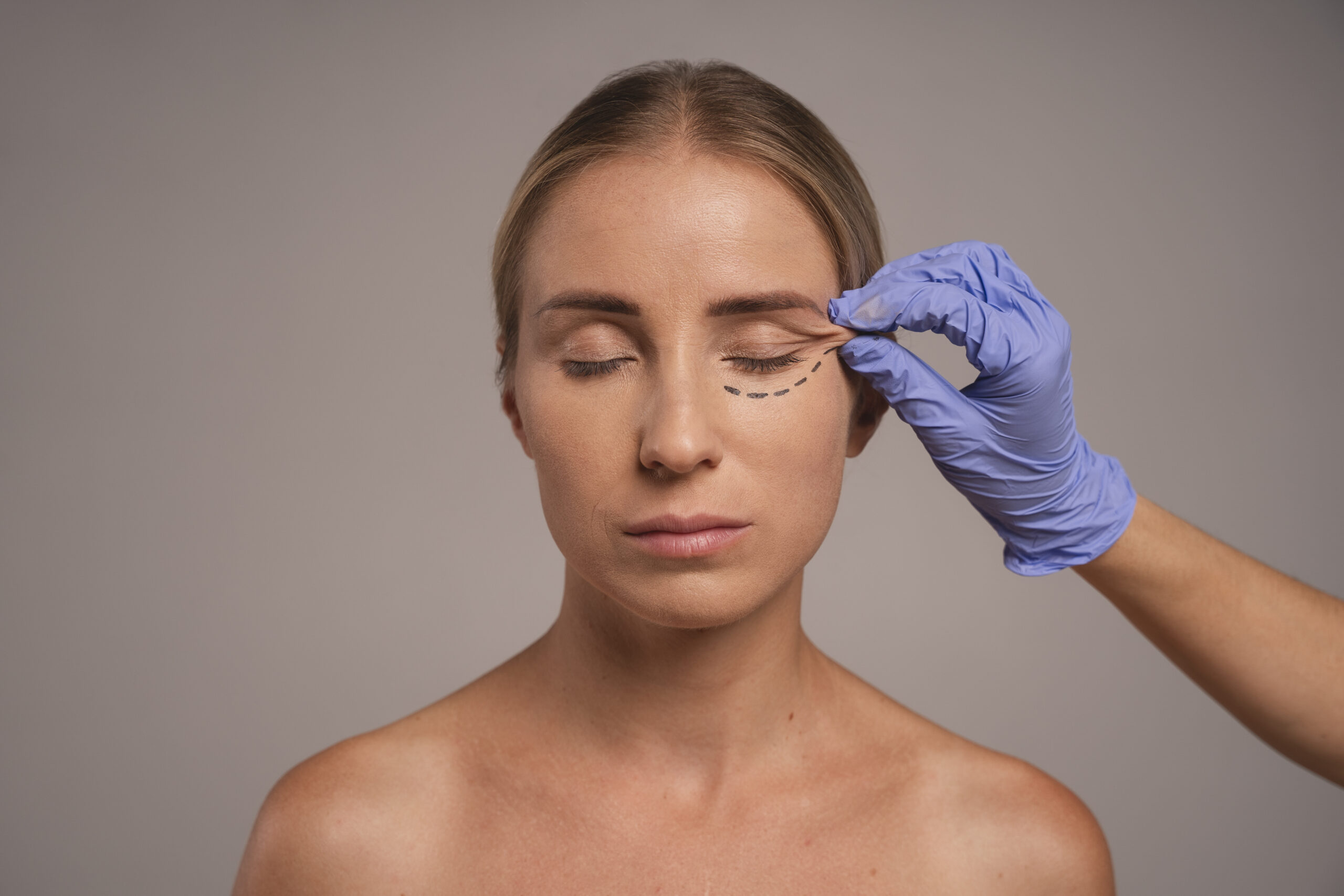
If you want to refresh your appearance but are concerned about long recovery or unnatural results, today’s facelift techniques might change your mind. Advanced surgical methods make recovery easier, and results look more natural.
Under the expertise of a leading facelift surgeon in Dubai, Dr. Zamir Paez, patients can achieve a refreshed, youthful look while returning to daily activities sooner than expected.
What is a facelift surgery?
A facelift, or rhytidectomy, is a cosmetic surgery procedure that reduces the signs of aging on the face and neck. The procedure lifts and repositions tissues, tightens muscles, and removes excess skin for a firmer, youthful appearance.
This procedure helps improve concerns such as sagging cheeks, deep smile lines, loose jawline (jowls), and neck skin laxity.
When performed with the right technique, a facelift can refresh your appearance and appear natural, rather than artificial or overdone.
Why choose a facelift surgery in Dubai?
Dubai has become a leading destination for medical tourism, welcoming patients from around the world due to its advanced medical technology, modern clinics, and strong focus on patient safety and comfort.
Choosing the right facelift surgeon in Dubai is crucial for achieving outstanding results. Dr. Zamir Paez stands out for his mastery of advanced techniques and his commitment to tailoring each procedure to the individual’s specific needs.
A facelift can address both early and more advanced signs of facial aging, helping you to:
- Firm and tighten the loose skin on the face and neck.
- Reduce deep facial folds and wrinkles.
- Improve facial shape and restore natural contours.
- Boost confidence with a fresher, more youthful appearance.
The 4 stages of facelift surgery recovery: What to expect?
Recovering from a facelift is a gradual process, and understanding the stages can help you set realistic expectations for your recovery.
Stage 1: Immediate post-surgery (Days 1–3)
In the first few days following surgery, it’s normal to experience swelling, bruising, and mild to moderate discomfort as your body begins repairing itself.
Bandages and, in some cases, small drains are used to protect the treated areas and stop fluid from collecting. Any pain or soreness is usually controlled with the medication prescribed by your surgeon.
Rest is especially important during this time. Keeping your head elevated and avoiding unnecessary movement can help limit swelling and support the earliest phase of healing.
Stage 2: Early healing (Days 4–14)
By the second week, swelling and bruising begin to subside, and sutures or staples are often removed during follow-up visits. You may begin to notice gentle changes in your facial shape.
Most patients can resume light daily tasks; however, activities that involve bending, heavy lifting, or intense exercise should still be avoided to protect the healing tissues.
Stage 3: Mid-recovery (Weeks 2–4)
During this phase, swelling continues to settle, and the skin gradually adjusts to its new position. Many people feel ready to return to work and social engagements.
Any remaining tightness, numbness, or mild tenderness typically improves each week as healing progresses.
Stage 4: Full recovery (Weeks 4–12 and beyond)
Full recovery usually takes between 4 and 12 weeks, although it can sometimes take longer.
By this point, most swelling has resolved, revealing smoother skin, firmer contours, and a more youthful appearance.
Scars continue to soften and fade over the following months, allowing results to appear more natural with time.
What are the do’s and dont’s for a speedy facelift recovery?
Following the right aftercare is key to a smooth recovery and achieving natural, long-lasting results:
Do’s | Dont’s |
|---|---|
|
|
How to achieve subtle and natural results with a facelift?
Modern facelift approaches are designed to refresh your appearance while keeping your natural expressions and facial character intact.
Rather than tightening the skin alone, surgeons now focus on lifting and repositioning deeper layers of tissue, which creates smoother contours, a better-defined jawline, and balanced proportions that still appear natural.
Careful planning is key, with your individual facial structure and aging changes shaping how the surgery is performed. When this personalised approach is paired with proper aftercare, the results stay fresh, subtle, and true to your natural appearance.
How long does facelift surgery last?
Facelift results are long-lasting and often remain visible for 10 years or more, depending on individual factors like genetics, skin quality, lifestyle habits, and overall health.
Maintaining a balanced diet, staying active, and following a consistent skincare routine can help preserve results. Protecting your skin from sun exposure, avoiding smoking, and maintaining a stable weight contribute to longer-lasting benefits.
Regular follow-up visits with your surgeon allow your results to be monitored and maintained, helping you enjoy a refreshed appearance for many years.
Candidacy - Who benefits most from a facelift surgery
A facelift can be a transformative option for many, but some qualities make someone especially well-suited for the procedure:
- Visible signs of facial aging: Sagging cheeks, deep smile lines, jowls, or loose neck skin.
- Good overall health: No medical conditions that could complicate surgery or healing.
- Realistic expectations: Understanding of both the benefits and limitations of facelift surgery.
- Stable body weight: Maintaining consistent weight supports longer-lasting results.
- Healthy lifestyle habits: Non-smokers, or those willing to stop smoking before and after surgery.
- Desire for natural results: Wanting a refreshed look rather than a dramatic or artificial change.
Combining a facelift with other procedures for overall facial rejuvenation
In many cases, combining a facelift with additional treatments can create a more balanced and comprehensive rejuvenation across the face and neck.
Common combination options include:
- Neck lift: Improves loose skin and muscle laxity in the neck for smoother contours.
- Eyelid surgery (blepharoplasty): Reduces drooping eyelids and under-eye puffiness for brighter eyes.
- Fat transfer or facial fillers: Restores volume in areas such as the cheeks, temples, and under the eyes.
- Brow lift: Lifts sagging brows and smooths forehead lines, enhancing the upper facial appearance.
- Laser or skin resurfacing treatments: Improves skin texture, tone, and fine lines for a refreshed overall look.
Why choose Dr. Zamir Paez for your facelift surgery in Dubai?
Choosing a skilled, trusted surgeon is the cornerstone of a successful facelift journey.
Dr. Zamir Paez is regarded as one of the leading facelift surgeons in Dubai, known for his advanced surgical expertise and commitment to personalised patient care. His goal is always to create results that enhance beauty while preserving each patient’s natural facial identity.
FAQ
Most swelling and bruising subside within 4–6 weeks, but final results typically appear over 3–6 months as the tissues settle and scars soften.
Results can last 10 years or more, depending on factors like skin quality, genetics, lifestyle, and overall health. Healthy habits and sun protection help maintain results longer.
Most patients experience mild to moderate discomfort, which can be managed with prescribed medication. Swelling and bruising are normal and gradually improve over weeks.
Avoid strenuous exercise, heavy lifting, smoking, alcohol, excessive sun exposure, and touching or rubbing the surgical area. Follow all post-operative instructions provided by your surgeon.
Dr. Zamir Páez
About the Author
Dr. Zamir Páez
Board-Certified Plastic, Reconstructive & Aesthetic Surgeon
- Internationally Certified Plastic Surgeon
- Specialist in Advanced Body Contouring & Facial Aesthetics
- Practicing in Colombia & Dubai
- Founder of BodyCraft Academy
Dr. Zamir Páez is an internationally recognized plastic, reconstructive, and aesthetic surgeon known for delivering natural-looking results through advanced surgical techniques and personalized patient care. With over a decade of experience, he specializes in body contouring, mommy makeover procedures, breast surgery, rhinoplasty, facial rejuvenation, and HD liposculpture for patients across the Middle East and internationally.
Internationally trained at renowned institutions including The Royal Melbourne Hospital in Australia, Dr. Zamir combines surgical precision, innovation, and artistic balance to create refined aesthetic outcomes tailored to each patient. He is also the co-founder of BodyCraft Academy, where he contributes to the global education and training of plastic surgeons.
Medical Disclaimer
This article is intended for informational and educational purposes only and should not be considered medical advice, diagnosis, or treatment. Always consult a qualified healthcare professional regarding any medical or aesthetic concerns before undergoing any procedure.
Medically reviewed by Dr. Zamir Páez, Board-Certified Plastic, Reconstructive & Aesthetic Surgeon.
