How to Choose a Surgeon Skilled in Managing Keloid and Hypertrophic Scars?
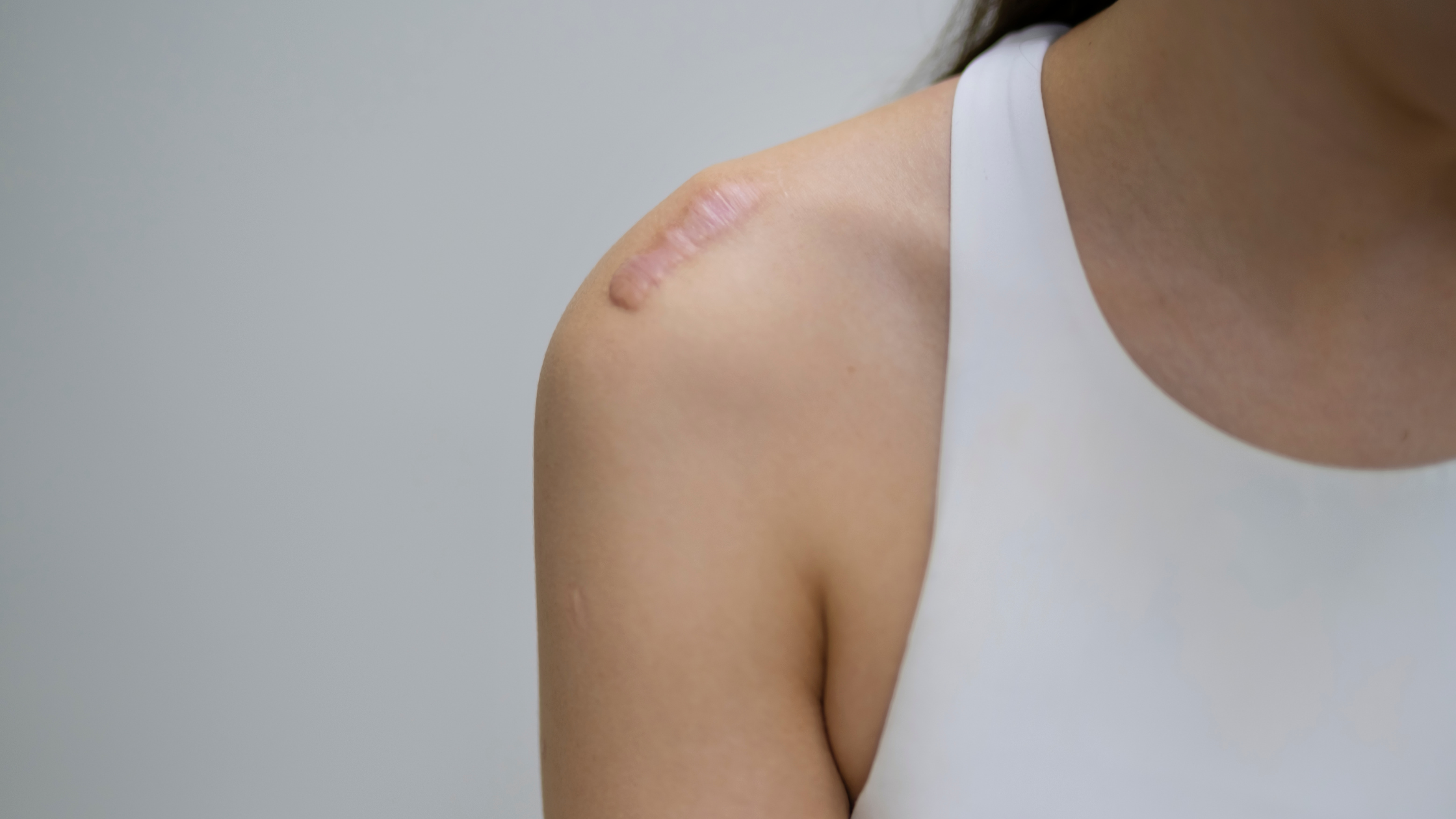
Keloid and hypertrophic scars can affect comfort, appearance, and confidence. They behave differently from normal scars and require a surgeon who understands the science behind abnormal wound healing and has the skill to manage these scars safely.
Choosing the right specialist is the most important step in achieving stable, long-term improvement.
This guide explains what to look for, how these scars develop, and why working with an experienced reconstructive and aesthetic surgeon can make a real difference.
Understanding Keloid and Hypertrophic Scars
Keloid and hypertrophic scars form when the body’s wound-healing response becomes exaggerated. Normal healing progresses through three phases: inflammatory, proliferative, and remodeling. When this balance is disrupted, fibroblasts produce excess collagen, blood vessels overgrow, and the scar thickens.
Hypertrophic scars remain within the boundary of the original wound. They often develop in high-tension areas, especially the chest or shoulders. Their collagen fibers remain organized, primarily type III collagen, but the scar may persist in a raised state for years.
Keloid scars extend beyond the original wound and continue to evolve without natural regression. Their collagen bundles are haphazard, with both type I and type III collagen. Genetics plays a significant role, particularly in individuals of African and Asian descent.
Because these scars arise from deep biological mechanisms, such as growth factors, cytokine signaling, mechanotransduction, and genetic predisposition, they require specialized care.
Why Surgeon Expertise Matters
Managing keloid and hypertrophic scars is not a single-step procedure. It is a structured process combining medical therapy, procedural precision, and long-term follow-up.
A skilled surgeon understands:
- How wound tension and surgical technique influence scarring
- When to use adjuvant therapies such as steroids, lasers, or compression
- How to prevent recurrence, especially in keloids
- How to individualize treatment based on skin type, scar biology, and previous interventions
Scar revision is not simply removal. It involves controlled remodeling of the tissue using techniques that reduce strain, support healing, and prevent the exaggerated fibroblast response that causes abnormal scarring.
What to Look for When Choosing a Surgeon
1. Experience in scar biology and reconstructive techniques
A knowledgeable surgeon understands the inflammatory, proliferative, and remodeling phases of healing. They recognize when fibroblast activity, tension, or genetics are contributing to the scar’s behavior. This background ensures that treatment is planned with the underlying mechanisms in mind.
2. Training in both aesthetic and functional reconstruction
Scars affect movement, comfort, and confidence. A surgeon who works across reconstruction, microsurgery, and trauma care has a deeper understanding of tissue behavior. This helps them manage tension lines, reposition scars, or use techniques such as Z-plasty or W-plasty when needed.
3. Competence with multimodal treatment
Effective management of keloid and hypertrophic scars often combines:
- Intralesional corticosteroids
- 5-FU or combination injections
- Silicone dressings
- Compression therapy
- Laser treatments
- Retinoids or tacrolimus
- Surgical excision with adjuvant therapy
Recurrence risk is high if treatment is not comprehensive. Look for a surgeon who plans for aftercare as carefully as the procedure itself.
4. Skill in tension-reducing surgical methods
Keloids often recur due to mechanical forces. Surgeons skilled in minimizing wound tension help significantly lower the risk. Techniques may include:
- Deep fascial sutures
- Subcutaneous plication
- Scar reorientation
- Flap techniques that distribute strain
This attention to detail influences long-term results.
5. Understanding of diverse skin types
Keloids are more common in darker skin types. A surgeon familiar with variations in pigmentation, healing tendencies, and risks of hypopigmentation or hyperpigmentation can tailor treatment more effectively.
6. Structured follow-up protocol
Keloid and hypertrophic scars can evolve for months. A good surgeon will plan scheduled follow-ups, additional injections if needed, and evidence-based aftercare.
Why Patients Choose Dr. Zamir Paez
Dr. Zamir Paez is highly trained in advanced reconstructive, microsurgical, and facial trauma procedures, giving him strong technical command over complex tissue repair. His background in oncologic reconstruction further strengthens his ability to manage challenging scars with precision and control.
- He brings extensive experience in facial trauma, microsurgery, and oncologic reconstruction, giving him a deep understanding of tissue behavior and scar biology.
- His approach is thoughtful and detail-driven, with careful attention to how scars form, mature, and respond to treatment.
- He focuses on refining scar contours while easing symptoms such as tightness, itching, and restricted movement.
- He combines precise surgical technique with appropriate adjuvant therapies, including injections, lasers, or pressure treatments when required.
- He emphasizes long-term stability rather than short-term improvement, planning treatments that reduce recurrence and support healthy healing.
- His patient-centred method balances appearance, comfort, and functional outcomes, which is crucial for managing keloid and hypertrophic scars.
Treatment Approaches You Can Expect
Comprehensive clinical evaluation
Each scar is assessed for firmness, height, thickness, vascularity, and symptoms. Tools such as the Vancouver Scar Scale or the Detroit Keloid Scale may be used to guide treatment targets.
Managing keloid scars often involves addressing aggressive collagen overgrowth with treatments that calm the tissue and control long-term progression.
While managing hypertrophic scars depends on careful tension control, targeted therapies, and steady follow-up to guide the scar into healthier remodeling.
Preventive planning
Counseling includes:
- Early sun protection
- Proper wound care
- Occlusive dressings
- Avoidance of local tension
These steps help calm the healing process.
Multimodal therapy
Depending on the scar, treatment may include:
- Intralesional corticosteroid injections
- Silicone-based dressings or pressure devices
- Laser therapy to reduce redness and thickness
- Retinoids, tacrolimus, or combination therapies
- Scar massage and physical therapy
- Surgical revision for severe cases
Surgical refinement when necessary
When non-invasive methods are insufficient, Dr. Zamir uses tension-reducing techniques to reposition or improve the scar. For keloids, excision is always followed by adjuvant therapy to reduce recurrence risk.
Making an Informed Decision With Dr.Zamir Paez
Choosing a surgeon for managing keloid and hypertrophic scars is as important as the treatment itself. Look for someone who combines scientific understanding, surgical precision, and long-term care. With proper evaluation, tailored treatment, and ongoing guidance, even complex scars can be improved safely.
For those seeking balanced outcomes and dependable management of keloid and hypertrophic scars, Dr. Zamir Paez offers a steady blend of skill, precision, and patient-centered care. To explore your options, schedule a consultation and begin your treatment journey with a surgeon who understands the full complexity of scar behavior.
FAQs
Keloid and hypertrophic scars both result from an exaggerated collagen response, but they exhibit distinct behaviors. A hypertrophic scar remains within the borders of the original wound and is more common in high-tension areas, such as the chest or shoulders. A keloid extends beyond the wound, may continue to grow over time and has a higher risk of recurrence.
Due to this biology, keloids and hypertrophic scars should be assessed by a surgeon experienced in abnormal wound healing and in safely managing these conditions.
You should consider consulting a specialist if your scar continues to grow, feels raised, itchy, or painful, extends beyond the wound edges, or has already been treated without success. An expert in managing keloid scars and hypertrophic scars, such as Dr. Zamir Paez, reviews the cause of the injury, your skin type, previous treatments, and the location of the scar. Based on this analysis, he designs a stepwise plan that may include multimodal therapies, tension-reducing surgery, and long-term follow-up.
Dr. Zamir Paez uses a multimodal, evidence-based strategy to treat keloid and hypertrophic scars. Depending on the case, he may combine intralesional injections, 5-FU, silicone dressings, compression, laser treatments, topical therapies and, when needed, surgical revision with tension-reducing techniques. For keloid scars, excision is always followed by adjuvant therapy to lower the risk of recurrence. Every plan starts with a detailed clinical evaluation that considers scar height, firmness, vascularity and symptoms.
In most patients, the realistic goal in managing keloid scars is not to erase them completely but to flatten the scar, soften its edges, reduce redness and relieve symptoms such as itching, pain or tightness. Even with an expert surgeon, keloid scars have an inherent tendency to recur, so long-term plans and close follow-up are essential. Dr. Zamir Paez focuses on achieving stable, long-term improvement of keloid and hypertrophic scars rather than short-lived cosmetic changes.
Keloid recurrence is driven by mechanical tension, scar biology, and surgical technique. To reduce this risk, Dr. Zamir Paez combines several strategies, including meticulous closure with deep sutures that redistribute tension, scar reorientation when appropriate, the use of silicone or compression, and a post-operative injection schedule. Regular follow-up visits allow early detection of any reactivation. This structured approach helps improve the long-term control of keloid scars after surgery.
Managing keloid and hypertrophic scars is a gradual process. Many patients require several sessions of injections, laser or compression adjustments over months. Early changes are often visible within 6 to 12 weeks, but full scar remodeling can take 6 to 18 months. From the beginning, Dr. Zamir Paez explains that treatment is staged and that follow-up is essential, helping patients adopt realistic expectations and stay engaged with their long-term scar care plan.
If your scars become raised, painful, discolored, or show signs of infection, consult your doctor for assessment and treatment options.
Yes. Keloid scars are more frequent in darker skin types and in certain ethnic groups, so understanding how each skin responds to trauma, laser and medications is critical. Dr. Zamir Paez adapts energy settings, drug doses and treatment combinations according to the patient’s phototype. This personalized approach helps minimize risks such as hyperpigmentation or light spots while improving the cosmetic and functional outcomes of managing keloid and hypertrophic scars safely.
Structured follow-up is a core part of managing keloid scars and hypertrophic scars. Dr. Zamir Paez schedules regular visits to monitor scar height, firmness, color, and symptoms. Based on this evolution, he decides when to repeat injections, adjust compression, or modify topical therapy. For patients who live outside Medellín or abroad, follow-up can be combined with in-person reviews and secure virtual appointments, ensuring ongoing guidance and early detection of any recurrence.
Yes. Many patients with keloid and hypertrophic scars travel to Medellín to be evaluated by Dr. Zamir Paez. His team offers care in Spanish and English and can review photos and medical history remotely to provide an initial orientation. Afterwards, they help plan the trip for in-person assessment, treatment and early follow-up. This model makes access easier for international patients seeking an experienced reconstructive and aesthetic surgeon for complex scar management.
Dr. Zamir Paez combines advanced training in reconstructive surgery, microsurgery and facial trauma with a strong background in aesthetic plastic surgery. This gives him deep understanding of tissue behavior and scar biology. He is also the founder of BodyCraft Academy, where he teaches other surgeons, reinforcing his academic and clinical leadership. His approach to keloid and hypertrophic scars is meticulous, patient-centered and focused on natural-looking, functional and long-lasting improvement.
