
Professional lymphatic drainage included in post-op care
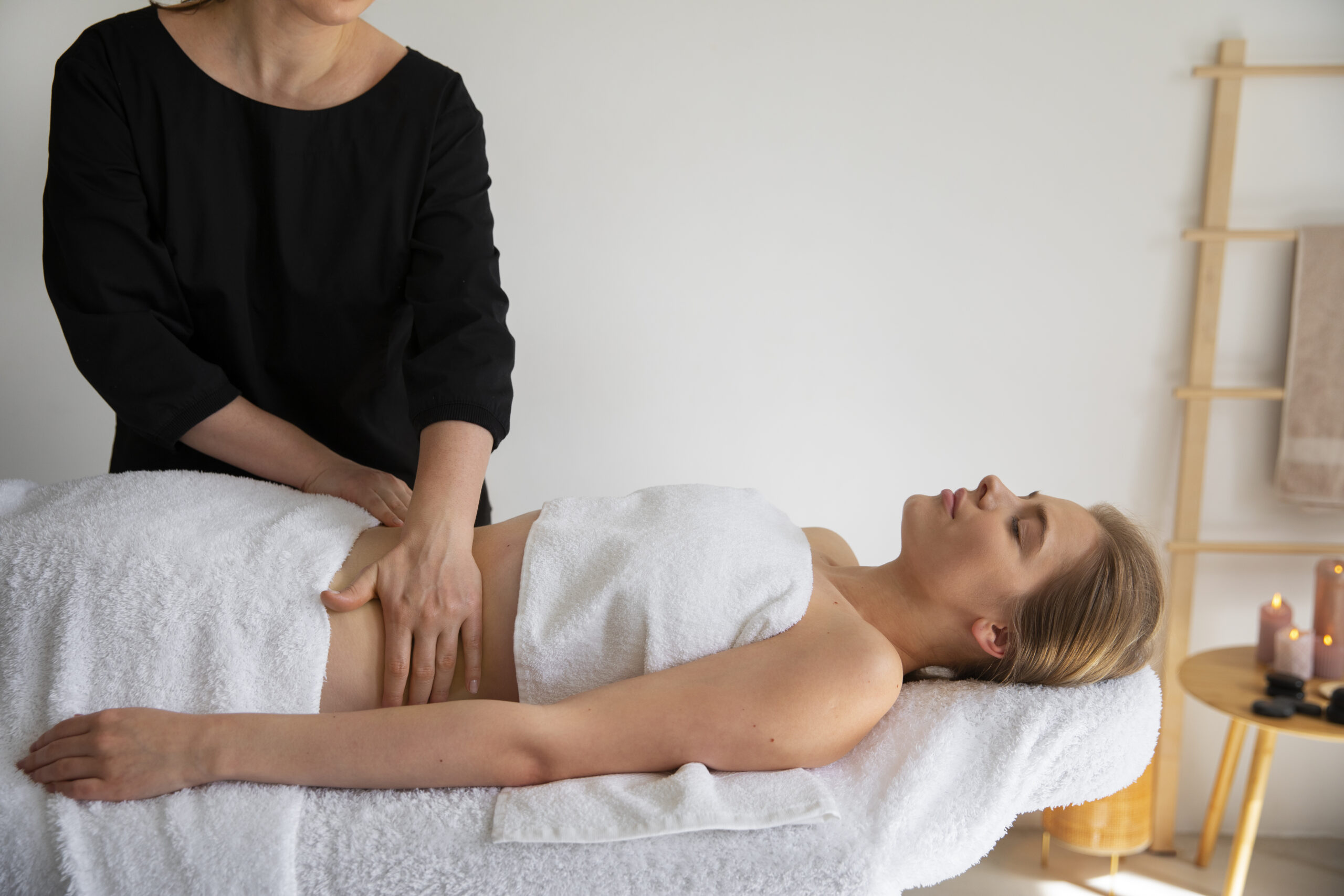
Recovering after surgery can be challenging, but professional lymphatic drainage is a proven way to support the body’s natural healing process.
By stimulating the lymphatic system, it helps reduce swelling, improve circulation, and accelerate recovery, while also relieving post-operative discomfort. Patients benefit from multiple advantages, including faster healing, minimized fluid retention, and smoother overall surgical outcomes.
These benefits of lymphatic drainage make it an important part of post-operative care for anyone who wants a safer and more comfortable recovery. For specialised post-surgery support, many patients choose professional lymphatic drainage in Dubai under the care of Dr. Zamir Paez.
What is lymphatic drainage?
Lymphatic drainage is a therapy that stimulates the lymphatic system, which is a key part of your immune and circulatory systems.
The lymphatic system is responsible for transporting lymph, a clear fluid that carries white blood cells, proteins, and waste products, throughout the body.
This process removes toxins, extra fluid, and cell waste. It also helps your immune system and keeps your circulation healthy.
How effective is lymphatic drainage for recovery?
Lymphatic drainage is highly beneficial during post-operative recovery because it supports the body’s healing process and helps restore normal fluid movement after surgery. Surgical procedures can disrupt lymph vessels, resulting in swelling, inflammation, and impaired circulation.
Lymphatic drainage therapy uses gentle techniques to stimulate lymph flow, helping the body recover more efficiently and with less discomfort in several ways:
- Reduced swelling: By clearing excess fluid, lymphatic massage often leads to a noticeable reduction in swelling after just a few sessions.
- Improved circulation: The gentle movements boost both lymph and blood flow, bringing more oxygen and nutrients to help tissues heal.
- Toxin removal: Faster lymphatic flow helps clear out anesthesia, inflammation, and waste from the area where surgery was performed.
- Pain reduction: As swelling decreases, there is less pressure on nerves, so you feel less pain and more comfort.
What are the benefits of lymphatic drainage in post-op care?
Lymphatic drainage is especially important after cosmetic or reconstructive surgery because it supports healing and helps you recover better:
- Reduces swelling (oedema): Helps move trapped lymphatic fluid away from surgical areas, leading to faster and more visible reduction in post-operative swelling.
- Decreases pain and discomfort: Lower swelling reduces pressure on nerves and tissues, often resulting in less soreness and stiffness.
- Speeds up bruising recovery: Encourages breakdown and removal of pooled blood and pigments, helping bruises fade days or weeks sooner.
- Improves healing and tissue repair: Better circulation and more oxygen help tissues heal faster and more fully.
- Minimizes scar tissue formation: Reduces inflammation and fibrosis, encouraging smoother healing and finer scars.
- Reduces reliance on pain medication: Many patients feel enough relief to avoid extended use of strong painkillers.
- Prevents fluid build-up and complications: Helps reduce the risk of seromas, fibrosis, and prolonged congestion.
- Boosts immune support during recovery: Improves lymphocyte circulation and waste removal, strengthening the body’s natural defence mechanisms.
- Enhances final aesthetic results: Faster reduction of swelling and better tissue healing allow surgical contours to appear more defined sooner.
When can I start lymphatic drainage?
Lymphatic drainage therapy is usually initiated only after your surgeon gives authorization, as the timing depends on the type of surgery, your healing progress, and the condition of your incisions. Starting too early may interfere with healing, while waiting too long can delay optimal recovery.
- Minor procedures: For less invasive surgeries, such as small facial or body contouring procedures, some patients may begin gentle lymphatic drainage within a few days after surgery.
- More extensive surgeries: For major procedures, including facelifts, tummy tucks, or reconstructive operations, lymphatic drainage is usually started 1–2 weeks post-operation, after your surgeon confirms that incisions are secure and the initial healing phase has progressed safely.
Always follow your surgeon’s guidance to ensure the therapy supports recovery without interfering with healing.
How many lymphatic drainage sessions do patients typically need?
The number of lymphatic drainage sessions varies depending on the extent of surgery, swelling (edema), and individual healing response:
- Many patients benefit from 5–10 sessions during the early post-operative period to reduce swelling, improve circulation, and support tissue recovery.
- More complex procedures or significant swelling may require 10–15 sessions or additional maintenance sessions.
Regular assessments during the recovery process allow adjustments to the number and intensity of sessions, helping to maximize results while minimizing discomfort.
How does the lymphatic drainage process feel?
Lymphatic drainage should feel gentle and relaxing, not painful.
- Sensation during the session: You may notice light pressure and rhythmic movements, often calming or soothing.
- Normal reactions: Mild warmth, tingling, or a sense of fluid movement is normal as circulation improves.
- Warning signs: Sharp or persistent pain, redness, heat, swelling beyond what is expected, or fever are not normal and should be reported to your surgeon.
Combining lymphatic drainage in Dubai with other recovery methods
For the best post-surgical results, lymphatic drainage works best as part of a complete healing plan. When combined with other supportive strategies, it can further improve healing, reduce complications, and enhance final results:
- Wear compression garments to help prevent fluid build-up and support healing between lymphatic drainage sessions.
- Drink plenty of water to keep lymph flowing and help flush out toxins as you heal.
- Eat anti-inflammatory foods to reduce swelling and promote faster tissue repair.
- Add electrolytes if advised to support cellular recovery during intensive healing periods.
- Do gentle, approved movements to naturally boost lymph flow through muscle activity.
- Follow procedure-specific exercises recommended by your surgeon to improve circulation safely.
For the best post-operative care in Dubai, consult Dr. Zamir Paez
Choosing a surgeon who focuses on both surgical precision and thorough post-operative care plays a major role in achieving a smooth recovery. With over 10 years of unparalleled experience and more than 5,000 successful surgeries across Latin America and the UAE, Dr. Zamir Paez is a trusted name in plastic surgery.
Dr. Zamir includes professional lymphatic drainage in his post-op care, helping patients recover faster, reduce swelling and bruising, and get the best results. He focuses on his patients, combining surgical skill with proven recovery methods for safe, natural, and lasting outcomes.
FAQ
Timing depends on your surgery and healing. Minor procedures may allow sessions within a few days, while more extensive surgeries usually begin 1–2 weeks after your surgeon’s approval.
Sessions should be gentle and relaxing, with light pressure and rhythmic movements. Mild tingling or warmth is normal, but sharp pain, redness, or fever should be reported immediately.
Yes. Lymphatic drainage can reduce swelling and bruising, speed up recovery, and help tissues heal more smoothly, enhancing your overall post-op outcome.
Proper lymphatic drainage should not be painful, even over sensitive areas. Gentle techniques are used to avoid discomfort.
Dr. Zamir Páez
About the Author
Dr. Zamir Páez
Board-Certified Plastic, Reconstructive & Aesthetic Surgeon
- Internationally Certified Plastic Surgeon
- Specialist in Advanced Body Contouring & Facial Aesthetics
- Practicing in Colombia & Dubai
- Founder of BodyCraft Academy
Dr. Zamir Páez is an internationally recognized plastic, reconstructive, and aesthetic surgeon known for delivering natural-looking results through advanced surgical techniques and personalized patient care. With over a decade of experience, he specializes in body contouring, mommy makeover procedures, breast surgery, rhinoplasty, facial rejuvenation, and HD liposculpture for patients across the Middle East and internationally.
Internationally trained at renowned institutions including The Royal Melbourne Hospital in Australia, Dr. Zamir combines surgical precision, innovation, and artistic balance to create refined aesthetic outcomes tailored to each patient. He is also the co-founder of BodyCraft Academy, where he contributes to the global education and training of plastic surgeons.
Medical Disclaimer
This article is intended for informational and educational purposes only and should not be considered medical advice, diagnosis, or treatment. Always consult a qualified healthcare professional regarding any medical or aesthetic concerns before undergoing any procedure.
Medically reviewed by Dr. Zamir Páez, Board-Certified Plastic, Reconstructive & Aesthetic Surgeon.
